
Here's Where to Find Full-Time Christian Missionary Jobs

  1. Share
2 0

Every believer is called to fulfill the Great Commission, sharing the gospel and helping make disciples. But not everyone is called to do it for a living. Christian missionary jobs take a special kind of person, not to mention a special kind of calling from God.

Thankfully, if you feel called to serve in a full-time missionary setting, you can find the resources you need to move in the right direction. Among the greatest tools at your disposal are job boards or job listings that help you know where the needs are greatest and where you can plug in.

But before digging too deeply into the where of full-time missionary jobs, you need to take a look at the who. Specifically, you need to examine what it will mean for you to become the best version of yourself as you step into this incredible adventure.

"Go therefore and make disciples of all nations, baptizing them in the name of the Father and of the Son and of the Holy Spirit..." — Matthew 28:19


Key Takeaways

  • Before pursuing Christian missionary jobs, you should evaluate both your personal character and the practical realities of life on the mission field.

  • Full-time missionary jobs require spiritual maturity, a clear calling, adaptability, and a willingness to grow as a learner and team member.

  • Career missions often involve sacrifice, including leaving behind comfort, navigating cultural differences, and addressing financial concerns like missionary salary and support.

  • Financial planning and identifying a sending agency or support network are essential steps in preparing for missionary jobs that pay sustainably.

  • Once you are confident in your calling, missionary job boards such as Word of Life, Medical Missions, Christian Job Fair, and Team can help you find the right opportunity.


Finding Your Missionary Position

As you do some self-evaluation and reflect on your potential as a career missionary, it’s helpful to examine things through two basic lenses: personal and practical. The personal side considers whether you have the makeup and character qualities necessary for success on the mission field. The practical matters help you sort through the struggles and questions you might face as you explore Christian missionary jobs.

Personally, career missionaries tend to possess some basic character qualities that allow them to adapt and thrive on the field. For example, full-time missionary jobs require individuals who have a personal and growing faith in addition to their firm call from the Lord. After all, you can’t lead people where you have never been, and you don’t want to chase a call that God has not placed on your life—especially one like missions.

It's also helpful if missionaries are lifelong learners, always seeking to discover more about the people they reach and improving their skills. And since missionaries typically don’t work in a vacuum, being a team player is a must. Of course, some of these personal qualities can be developed and strengthened over time, but those pursuing full-time missionary jobs have to be willing to do the hard work to integrate these qualities and more into their lives and work.

Practically, the biggest challenge career missionaries face is sacrifice. Even though the sense of call may be strong, you can’t escape the fact that you will be giving things up to work on a foreign mission field. You’ll leave behind family and friends, as well as many conveniences. You will also face some struggles with language and culture. You may feel vulnerable at first because your communication could be limited. What’s more, your very presence could represent a stigma for locals who view you through a particular economic or even political lens.

You also may have questions about a missionary's salary and whether you can find missionary jobs that pay enough to support your needs. In addition, many career missionaries have the challenge of identifying a suitable sending agency and a support network.

None of these challenges, either personal or practical, should discourage you from pursuing your call to missions. Instead, they should remind you of the incredible responsibility you have as you pursue Christian missionary jobs. God has given you the privilege of taking His Word to the world. You must do all you can to prepare well.


Full-Time Missionary Jobs that are Personal and Practical

Once you’ve gone through the self-evaluation process and you’re sure God has called you to missions, it’s time to see what’s available. Again, you’ll find plenty of resources that can help you find the right fit, whether it involves a part of the world or a particular skill. 

Missionary job boards are a great place to start, and we’ve identified four that can get you moving in the right direction.

full time missionary jobs

Word of Life. The Word of Life organization has been ministering in the United States and across the globe for nearly 80 years. Through its international ministries arm, it now has more than 1,500 missionaries serving in 70 different countries. The career opportunities are diverse, including clubs, education, and camps.
 

full time missionary jobs

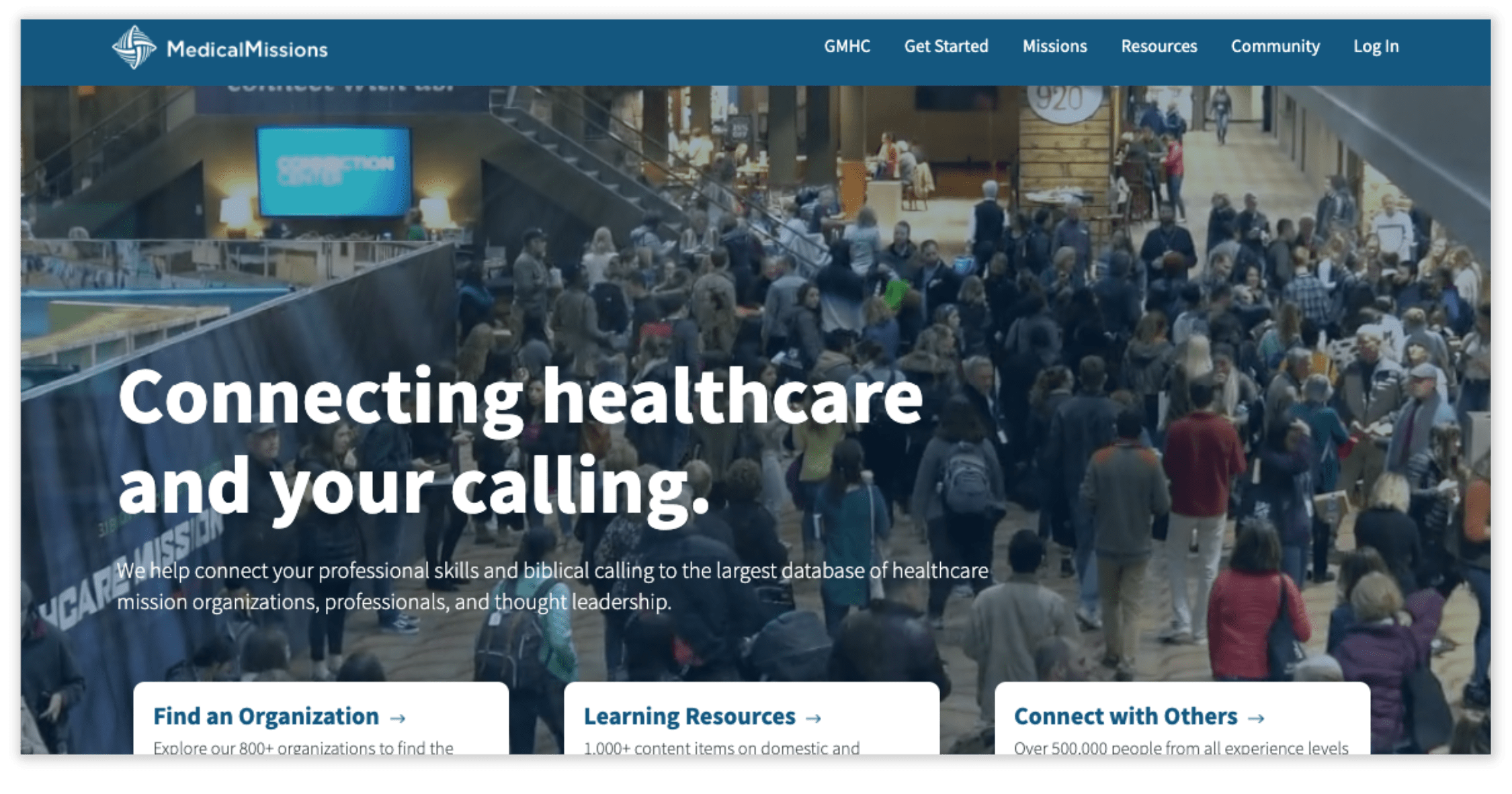
Medical Missions. The Medical Missions job board is associated with the Global Missions Health Conference, held each year in Louisville, Kentucky. The goal of the job board is to connect medical missionaries with the best opportunities for making a difference around the world. The board allows you to customize your search based on factors like income, specialization, and location. 

missionary jobs
 
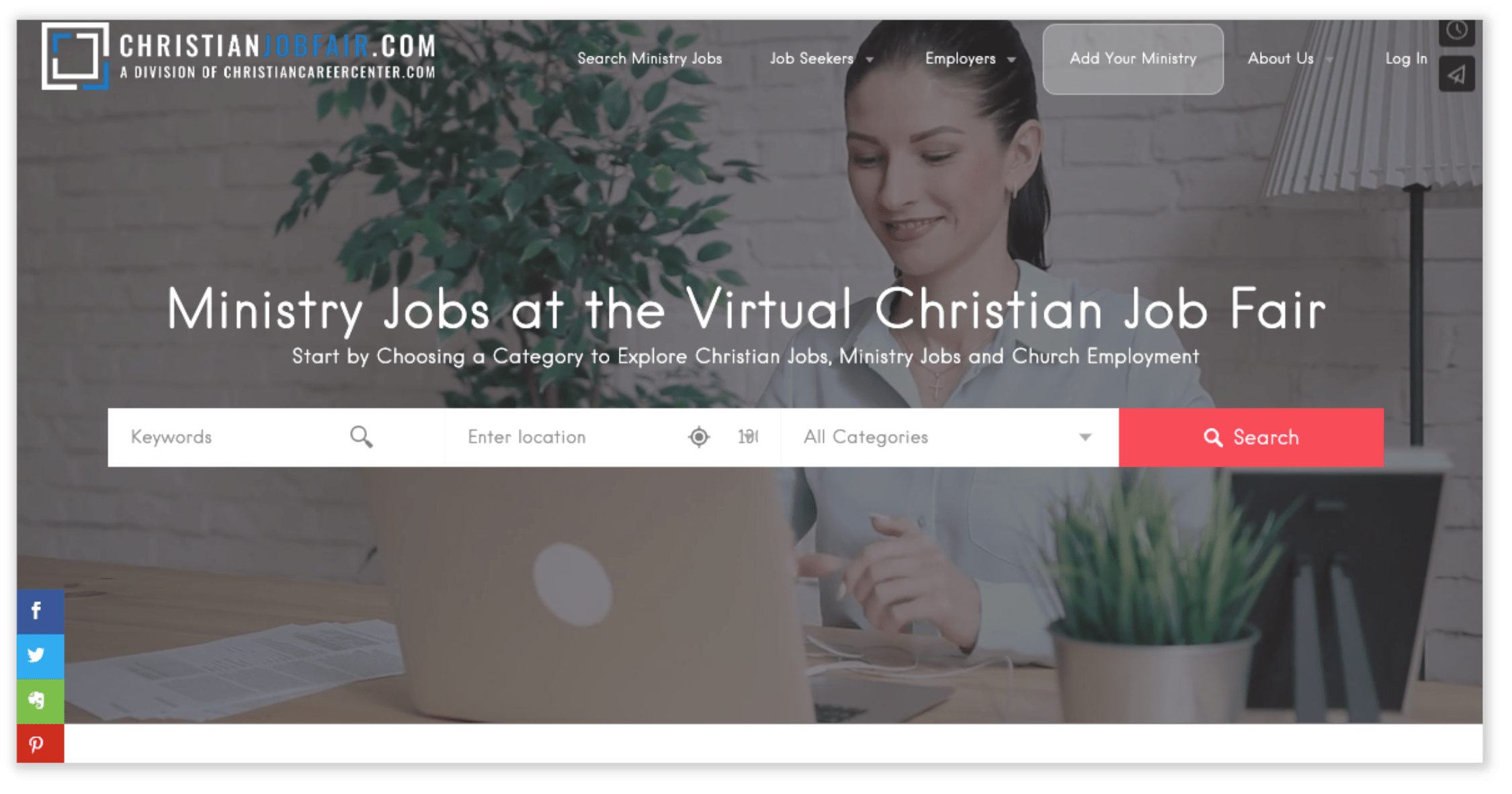
Christian Job Fair. While part of a larger network to help Christians identify places of service, the Christian Job Fair has a section designated for full-time missionary jobs. The site connects individuals with a variety of missionary-sending organizations. It also has a feature that allows interested parties to post their resumes.

full time missionary jobs

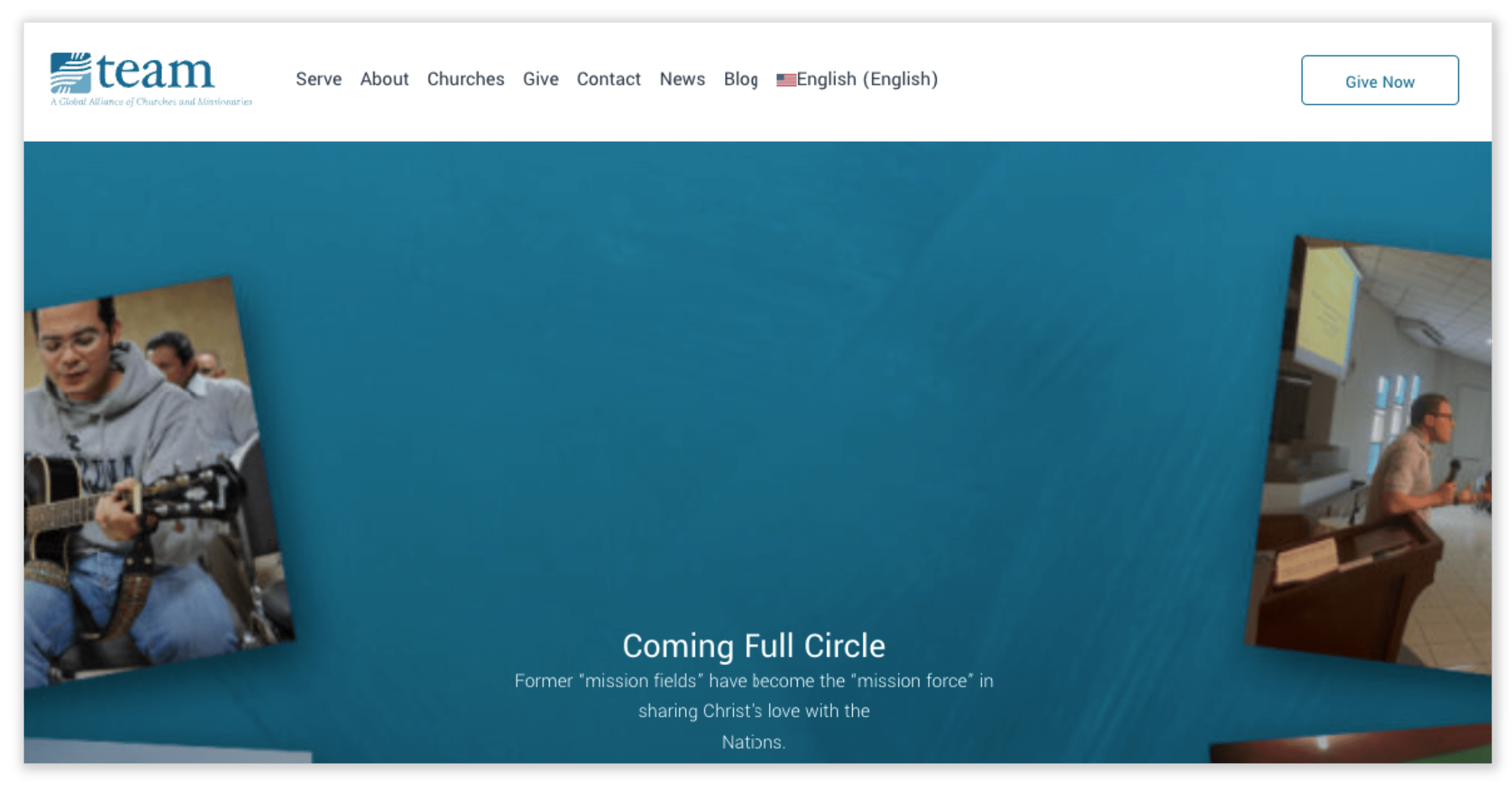
Team. Tracing its roots to 1891, the organization that became Team was formed in response to calls for missionaries in Europe and Asia, including Hudson Taylor’s famous plea for 1,000 people to become missionaries in China. Over time, the movement has expanded around the world. Today, Team works with more than 500 missionaries and a network of some 2,000 churches. Its job board allows users to explore a wide selection of opportunities, including many related to medical and health care missions.


Taking the Next Step

Whether you are not quite sure if God is calling you to missions or you know without a doubt, know that God will equip you and direct you if you do end up becoming a missionary. He never sets His people up to fail when they are obeying His plans and purposes.

That said, consider starting with a short-term medical mission trip to get your feet wet and see if medical missions is where God is calling you. 


Related Questions


How much does a Christian missionary make?

A Christian missionary’s income varies widely depending on location, sending agency, and support structure, but many earn modest salaries supported by churches and individual donors.


Can you make a living off of being a missionary?

Yes, many missionaries make a sustainable living through a combination of agency salary, raised support, or additional employment alongside ministry.


How do you get paid as a missionary?

Missionaries are typically paid through a sending organization, personal fundraising support, bi-vocational employment, or a mix of these approaches.


Do you need a degree to be a missionary?

While a degree is not always required, theological training or specialized education can strengthen your preparation and open more missionary opportunities.

Comments

To leave a comment, login or sign up.

Related Content

1
6 Types of Christian Medical Missions to Choose From
Medical missions outreach involves using healthcare skills to serve people’s physical needs while pointing them toward the hope of the gospel. Christian medical missions can look different depending on your season of life, training, and where God opens doors. Some roles involve quick response and short-term service, while others call for long-term presence and deeper discipleship. Knowing the main types of medical missions outreach helps you choose a path with clear expectations and a good fit. As you consider your calling to Christian medical missions, along with your skills and passions, it helps to understand what’s available. A first step may be getting familiar with what medical missions can look like in real life so you can move forward with clarity.   Key Takeaways Medical missions outreach offers multiple pathways to serve, including short-term, long-term, domestic, marketplace, disaster relief, and medical education roles. Short-term medical missions outreach can make a lasting impact when volunteers prepare well and serve through sustainable, locally connected organizations. Long-term service requires deeper commitment and often includes stronger relationships, language learning, and ongoing discipleship in partnership with local believers. Domestic and marketplace roles show that Christian medical missions do not require moving overseas, since healthcare skills can open doors both locally and in restricted contexts. Whether through emergency response or medical education, faithful service and wise preparation help ensure that your involvement strengthens long-term gospel impact.   Finding Your Place in Medical Missions Outreach The field of Christian medical missions continues to grow, and the opportunities are expanding along with it. Below are six practical ways to engage in medical missions outreach and participate in the Great Commission.   1. Short-Term Medical Missions Outreach One of the simplest ways to serve in medical missions outreach is through a short-term trip. Do not let “short-term” sound small. Whether you serve for a week or a month, you can still contribute to a lasting work when the trip fits into a bigger plan. Short-term Christian medical missions usually work best when two things are true. First, you prepare well. A prepared volunteer can help, but an unprepared volunteer can unintentionally disrupt patient care, team unity, or local trust. Spiritual readiness matters, and professional readiness matters, too. Many teams encourage medical missionary training so volunteers arrive with realistic expectations and solid foundations. Second, you go with an organization that prioritizes sustainability. Look for a sending agency with ongoing relationships and year-round presence, not occasional drop-ins. That kind of structure makes medical missions outreach more consistent and makes follow-up care more likely after the team leaves. Short-term trips also help you test fit. They can reveal whether you thrive in cross-cultural teamwork, what kind of ministry environment you prefer, and whether longer service is the next step.   2. Long-Term Medical Missions Outreach Long-term medical missions outreach is often described as “all-in” service because it requires a deeper commitment and usually reshapes nearly every part of life. It may look like a multi-month assignment, several years overseas, or a career of long-term work connected to a sending organization and a local church. Compared to short-term trips, long-term medical missions outreach often includes deeper language learning, stronger relationships, more consistent discipleship, and longer-term partnership with local believers and healthcare leaders.   3. Domestic Medical Missions Outreach Not all lost and hurting people live overseas. Many people in the United States need the hope and care that flows from Christian medical missions, and you can serve without leaving the country. Domestic medical missions outreach often focuses on underserved communities where access to healthcare is limited, whether in urban neighborhoods or rural regions. In every setting, people can be vulnerable and isolated from basic resources. Faithful service in these areas gives you a way to love your neighbor and bring steady care where it is needed. For some people, domestic service is a long-term calling. For others, it becomes a training ground that strengthens skills and character before overseas work.   4. Marketplace Workers The apostle Paul served as a missionary while also working as a tentmaker. The job descriptions have changed, but the strategy of using ordinary careers to open doors for ministry is still effective. Among marketplace roles, healthcare often provides unique access. That makes sense. People around the world need healthcare, and in many places the need outpaces the availability of trained professionals. In some contexts, medical work opens doors that traditional missionaries cannot walk through. That is one reason medical missions outreach can take place in places that feel closed to other forms of ministry. Marketplace pathways can also help you avoid a false choice between work and missions. In Christian medical missions, your professional skills can serve as a platform for relationships, credibility, and long-term presence.   5. Disaster Relief Natural disasters can feel distant when you are watching from home, but they create urgent needs and real opportunities for compassionate ministry. Disasters also create medical emergencies, and healthcare workers can be among the first responders on scene. Disaster-focused medical missions outreach often involves triage, basic treatment, public health support, and coordination with local services. In times of crisis, people may be more open to prayer, presence, and conversations about hope. Even when words are few, serving well can reflect Christ in practical ways during some of the darkest moments people endure.   6. Medical Education Paul encouraged Timothy to entrust what he learned to faithful people who could teach others also (2 Timothy 2:2). While that instruction focuses on the gospel, the principle of multiplication applies to training and mentorship in healthcare, too. Medical education in Christian medical missions can include teaching clinical skills, strengthening protocols, mentoring younger clinicians, or helping local teams grow in confidence and competence. Historically, mission work expands when indigenous leaders are equipped to carry the work forward. Medical educators support that kind of long-term growth. This type of medical missions outreach often feels less dramatic than emergency care, but it can shape communities for years because it strengthens capacity where it is needed most.   The Time Is Now As you pursue Bible study, prayer, and wise counsel, you can get clearer about where God is leading and how your skills fit into His purposes. If cost is a barrier, planning and support-raising can make a trip realistic. There are many ways to raise money for a mission trip, but the first step is to check with your sending organization and church to get clearer expectations on what you need to do. If you want a concrete next step, explore short-term mission opportunities and filter by role, location, and trip length to find a strong fit for your season of life.   Related Questions   What is the purpose of a medical mission? The purpose of a medical mission is to provide compassionate healthcare while supporting gospel witness and local discipleship through service.   How much does a mission trip typically cost? Costs vary by destination and length, but many short-term trips range from a few thousand dollars to several thousand dollars.   Can nurses go on medical missions? Yes, nurses often serve on medical missions in clinical care, triage, patient education, and team support roles.   How long is a medical mission trip? Many medical mission trips last one to two weeks, though some are a month long and others extend for several months or more.  
0
7 Unique Mission Trip Gift Ideas
Mission trips change lives. Whether it's a few days or a few weeks, time invested on a foreign field can increase your faith and give you a heart for missions that lasts a lifetime. Even if you can't go yourself, you can encourage others with some thoughtful mission trip gift ideas. After all, mission trips mean leaving what's comfortable and normal. But while flexibility is the first rule of missions, you can make sure some of the basics are covered.     7 Mission Trip Gift Ideas It's awesome to consider the needs of missionaries. And sending a care package to someone who's serving on a foreign field is absolutely awesome! Of course, a lot of missionary needs will depend on the length and location of the journey. Spend time doing some research and talking with your missionary about what needs might come up. That also might help you avoid getting a mission trip gift that won't work at all. Having said that, a few go-to items stand out on most lists of mission trip gift ideas. Below, we've listed seven possibilities. None of them are fancy, and most can be found in minutes through a simple online search. But they all will enhance the experience—and faith—of your missionary! 1. Journal. One of the greatest ways to make a mission trip "stick" is to record the events and experiences as they happen. That makes a journal a great mission trip gift idea. Whether used as a daily diary or to reflect on spiritual milestones, a journal can keep the most important parts of the trip alive long after your missionary is back home. (Tip: Add a pack of nice pens or highlighters to the gift!)   2. Electrical adapters. It's no secret that most of the world delivers power differently than the United States. That makes adapters and converters a must. They'll need something to keep their cell phones, computers, and other electronics up and running. It's an extremely practical mission trip gift and one that your missionary—especially a first-time international traveler—will find invaluable.    3. A book about the nation they are visiting. Honestly, your missionary might already know a lot about their host nation. They may even have a heart for that particular culture or people group. But it also helps to know more about their destination. Plus, it reveals shows humility to keep learning.    4. Encouraging notes. This is an inexpensive mission trip gift idea, but its value cannot be overstated. Write a note for each day that your missionary will be gone, and place each note in a different envelope. That way, they will have a touchpoint from home every day of the trip. If the short-term trip involves weeks instead days, just write enough for one or two per week. (Tip: Make sure to include plenty of encouraging Bible verses to provide a lift on days that are tough.)   5. A backpack with supplies. Every world traveler needs a backpack, so that makes it a great mission trip gift. But you can go the extra mile by including some special items. On the practical side, you could pack a flashlight or a first aid kit. You could also add a water bottle with a built-in purifying system. But, most importantly, don't forget to include some of your missionary's favorite snacks and candy!   6. A foreign-language dictionary. Career missionaries take language classes to get ready for their assignment. While your short-term missionary won't have that kind of time or training, they can take advantage of a dictionary that helps them communicate with locals on the field. You can even highlight some of the most common phrases they'll need to know, like "thank you" and "good morning."   7. Something to leave behind. While your missionary may want to return with some souvenirs, it could also be great to leave something behind. This is especially true if they are living with a local family during the trip. It doesn't have to be fancy—maybe a game or a book or a toy—but it can open doors and make a lasting impression on the folks they are helping. It's a simple way to say "thank you" and to show love in Jesus's name.   Give the power of prayer Before He went back to heaven, Jesus commanded His followers to make disciples (Matthew 28:18-20). You can do that in three basic ways. First, you can go on a trip yourself. That would be a great opportunity to be Jesus's hands and feet, and it could help you see your faith differently even after you get home. Second, you can give. That could include financial support or words of encouragement to someone else on the field—like your short-term missionary. The mission trip gift ideas listed above are a piece of that puzzle! Beyond those, you can pray—and that may be the greatest tool in your mission's toolbox. Along with your mission trip gifts, promise to pray daily for your missionary while they're gone—and follow through on that promise. They will need it, and it can be a blessing to you as well. Prayer is something everyone can do, so make sure to give that gift to your short-term missionary.   Discover Medical Missions. Medical Missions serves to connect your professional skills and biblical calling to the largest database of healthcare mission organizations, professionals, and thought leadership. Join us at the Global Missions Health Conference to find your Medical Missions calling. Or, browse our full list of partner organizations to find the right mission for you.